
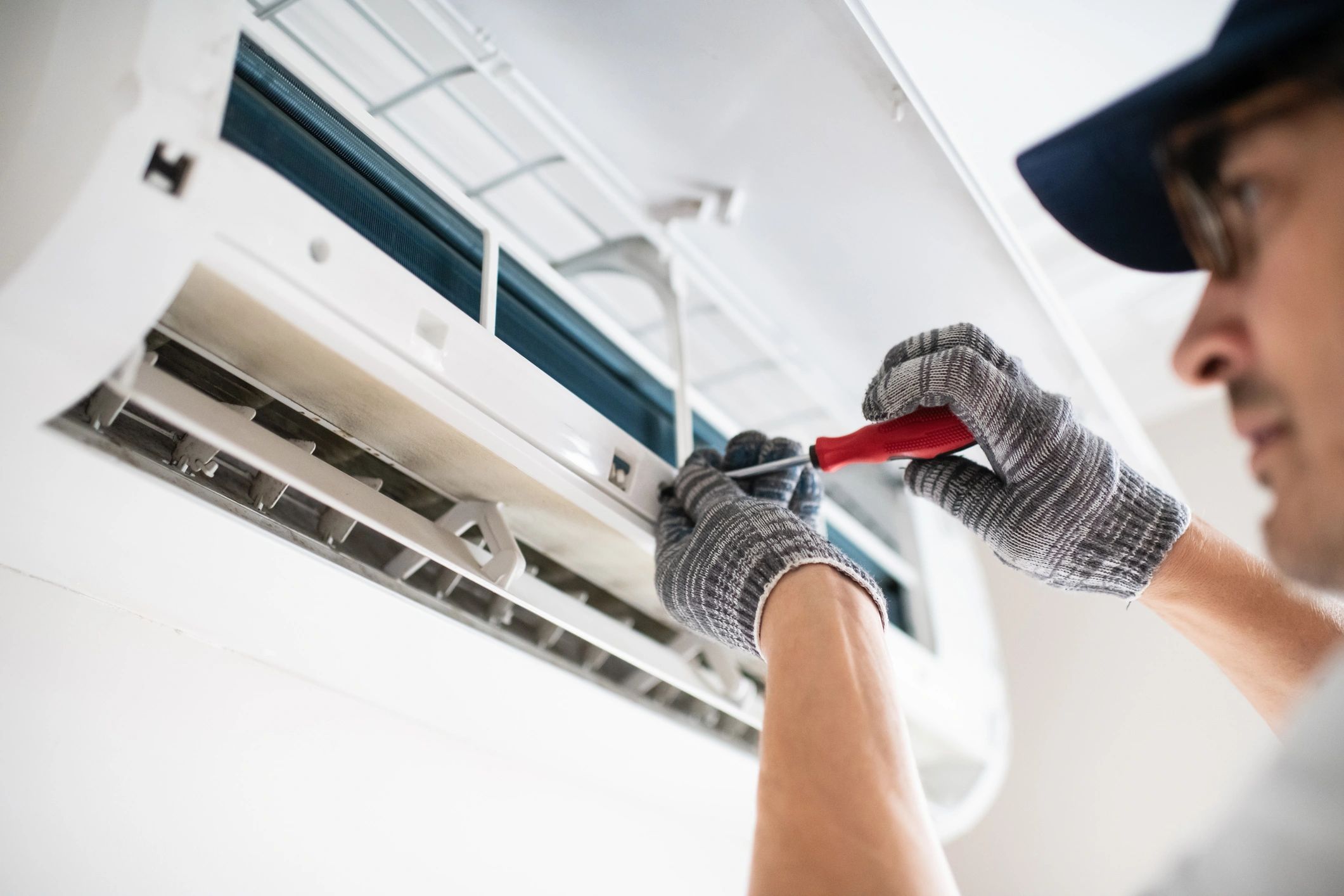
Is Your HVAC System Working Against You?
Many homeowners in Merced and across California’s Central Valley overlook one of the most impactful systems in their home—until something goes wrong. Sudden breakdowns during peak summer heat or chilly winter nights can disrupt comfort and lead to emergency service calls. At the heart of these issues are common HVAC challenges: inconsistent temperatures, rising energy bills, poor airflow, and unexpected system failures. The truth is, most of these problems are preventable with consistent, proactive maintenance.
Regular HVAC maintenance isn’t just about fixing what’s broken—it’s about catching small issues before they become costly repairs. Simple tasks like changing air filters, inspecting ductwork, and cleaning coils can significantly improve efficiency and extend the lifespan of your system. Homeowners who prioritize seasonal tune-ups often see better indoor air quality, lower utility costs, and fewer repairs over time.
In this guide, you’ll learn practical strategies to keep your heating and cooling systems running smoothly year-round. From recognizing early warning signs to performing basic upkeep, these expert tips are designed to help you stay ahead of common HVAC issues—without needing a technician for every small task.
Top 5 Signs Your Heating or Cooling System Needs Professional Attention
Ignoring early warning signs from your HVAC system can lead to costly repairs or premature replacement. Recognizing these red flags early ensures optimal performance, energy efficiency, and indoor comfort—especially during peak seasons in climates like California’s Central Valley.
Inconsistent Temperatures Across Rooms
If some areas of your home feel too hot or too cold, it may point to duct leaks, improper zoning, or a failing blower motor. Uneven airflow not only reduces comfort but strains the system, increasing utility costs over time.Unusual Noises During Operation
Banging, grinding, or screeching sounds aren’t normal. These could signal loose components, motor issues, or failing bearings. Immediate inspection helps prevent further mechanical damage.Frequent Cycling On and Off
Short cycling often stems from an oversized unit, poor refrigerant levels, or overheating. It wears down components faster and reduces efficiency.Noticeable Spike in Energy Bills
A sudden increase in monthly utility costs often correlates with declining HVAC efficiency. A unit working harder than usual may need cleaning, refrigerant adjustment, or electrical inspection.Excessive Dust, Musty Odors, or Poor Indoor Air Quality
Accumulated dust or mold odors from vents suggest clogged filters, dirty coils, or contaminated ductwork. These impact both system performance and household health.
When multiple signs appear, contacting a certified technician ensures accurate diagnosis and reliable repair.
Keep Your System Running Smoothly: Seasonal HVAC Maintenance Guide
Staying ahead of seasonal changes is key to extending the life of your HVAC system and maintaining indoor comfort year-round. By following a structured maintenance routine, homeowners in Merced and across California’s Central Valley can avoid unexpected breakdowns, improve energy efficiency, and reduce monthly utility costs.
Spring Tune-Up for Cooling Readiness
Before temperatures rise, inspect your outdoor condenser unit. Remove debris, trim foliage at least 18 inches away, and gently clean the coils with a soft brush. Check the thermostat setting—switch to “cool” mode and confirm it accurately reads room temperature. Replace your air filter to ensure proper airflow, a critical step in preventing strain on the system during heavy summer use.Summer Performance Checks
Monitor refrigerant lines for ice buildup or moisture, which may indicate low charge or insulation issues. Listen for unusual noises from the compressor. Ensure your indoor vents are open and unobstructed, and consider using a programmable thermostat to maintain consistent temperatures.Fall Preparations for Heating Season
Turn off the outdoor unit’s power and clean the evaporator coils inside the air handler. Inspect ductwork for leaks, especially in attics or crawl spaces common in Central Valley homes. Test your heating system with a short cycle to verify ignition and airflow.Winter Efficiency Boost
Seal window and door gaps to reduce heat loss. Schedule a professional inspection to evaluate furnace combustion, exhaust systems, and thermostat calibration—especially important during extended heating periods.
Regular upkeep pays off in reliability and performance.
Slash Your Energy Bills with Smart HVAC Habits
Homeowners in Merced and across California’s Central Valley can significantly reduce energy consumption by adopting smarter HVAC practices. With long, hot summers and mild winters, optimizing your heating and cooling system isn’t just about comfort—it’s a direct path to lower utility bills and improved home efficiency.
Start with proper thermostat management. Set your programmable or smart thermostat to adjust temperatures automatically when you’re away or asleep. Raising the temperature by just 7–10 degrees during peak summer hours can cut cooling costs by up to 10% annually. Ensure your thermostat is located away from direct sunlight or heat sources to prevent inaccurate readings.
Regular equipment maintenance is just as crucial. Replace air filters every 1–3 months to maintain airflow and reduce strain on the system. Clean evaporator and condenser coils, and schedule professional tune-ups at least once a year to keep your unit running efficiently.
Seal ductwork in attics or crawl spaces to prevent air leaks, and consider a ductless mini-split for room additions or garages where extending ductwork isn’t practical.
Lastly, improve your home’s thermal envelope—add insulation, use energy-efficient windows, and seal gaps around doors. These steps not only support HVAC efficiency but also enhance indoor comfort year-round.
Your Top HVAC Questions, Answered
How often should I schedule HVAC maintenance?
Routine maintenance twice a year—once before summer and once before winter—is ideal for peak performance. These tune-ups help optimize efficiency, catch minor issues before they become costly repairs, and extend the life of your system. During service, technicians inspect critical components like the thermostat, refrigerant levels, ductwork, and electrical connections.
What signs indicate I need HVAC repair?
Watch for unusual noises, inconsistent temperatures between rooms, rising energy bills, or a system that cycles on and off too frequently. If your indoor air feels stuffy or your unit blows warm air during cooling mode, it’s time for a professional diagnosis.
How long do HVAC systems typically last?
With proper care, furnaces can last 15–20 years, while air conditioners last 12–17 years. Heat pumps generally run efficiently for 10–15 years. Regular maintenance and clean filters significantly impact longevity.
Can I improve my HVAC system’s efficiency without replacing it?
Yes. Simple steps like sealing duct leaks, upgrading insulation, installing a programmable thermostat, and changing filters monthly during peak seasons can boost efficiency.
Why does my HVAC system freeze up?
Low refrigerant, poor airflow due to dirty filters or blocked vents, or a malfunctioning blower motor can cause freezing. A qualified technician should address refrigerant issues safely and effectively.
Should I repair or replace an aging system?
If repairs exceed 50% of a new unit’s cost or your system is over 15 years old with recurring problems, replacement is often more cost-effective and energy-efficient.
Is indoor air quality related to HVAC performance?
Absolutely. Your system circulates airborne particles. Upgrading to high-efficiency filters, adding UV lights, or using whole-home air purifiers can improve air quality and system cleanliness, especially in Merced’s Central Valley climate.
Putting It All Together: Smart HVAC Care Starts With You
Maintaining a comfortable, energy-efficient home starts with proactive HVAC maintenance and informed decision-making. From scheduling routine system checkups to recognizing early signs of inefficiency—like uneven airflow or unexpected spikes in utility bills—homeowners hold the keys to maximizing both performance and longevity. Simple actions such as replacing filters on schedule, keeping outdoor units clear of debris, and sealing ductwork can have a significant impact on indoor air quality and system efficiency. However, when technical issues arise—refrigerant leaks, electrical malfunctions, or thermostat calibration—relying on certified, local technicians ensures safety, precision, and compliance with industry standards.
Trusted local experts bring not only technical expertise but also climate-specific insights, particularly valuable in regions like Merced where extreme summer heat places added stress on cooling systems. These professionals offer tailored solutions, fromload calculations to equipment sizing and duct design, ensuring your system runs optimally year-round.
Your next step?
- Audit your current system’s maintenance history
- Schedule a seasonal tune-up before peak weather hits
- Consult a local technician for personalized efficiency upgrades
Smart HVAC care isn’t just about repairs—it’s about prevention, performance, and peace of mind. Invest in your home’s comfort with confidence.